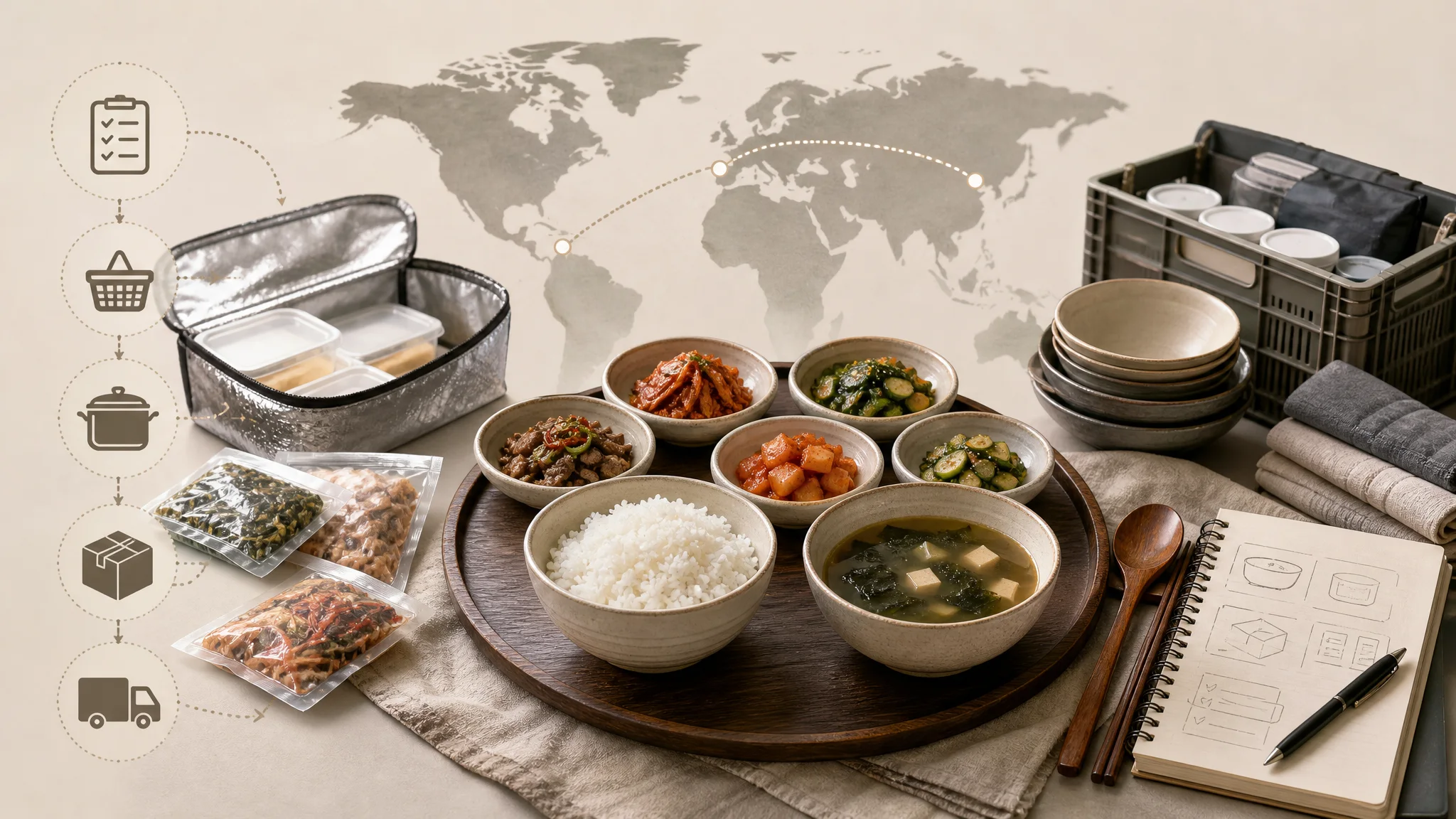
Key takeaway: The teams that travel with BTS source ‘home-style’ Korean meals (rice, soup, banchan, kimchi, and various meats) at overseas concert locations through local Korean restaurants, Korean chefs, or large catering operations to provide food at scale. (Confirmed by a Paris 2019 catering case, the Las Vegas 2022 popup, and reporting on Chile preparations.)
Who, behind the scenes, actually produces a meal and how - Overview: Tour teams (artists, managers, stage crew, tech, security, etc.) can number from dozens to hundreds, so food is prepared and served as event-style catering (large buffets, set trays, or boxed portions) rather than individual made-to-order meals. - Typical practice (patterns confirmed by the cited cases): - Hire a local Korean restaurant or a Korean/ Korean‑heritage chef/caterer (the Las Vegas popup involved a Michelin‑level chef). - Menu and taste testing before the event, with chef and agency feedback incorporated. - Set up a large preparation and serving zone near or inside the venue in buffet/boxed form, or distribute from a hotel. - Local promoters may appoint a dedicated person to check restaurants, hygiene, and menus in advance (Chile case).
(Verified cases: reports that a local chef provided large-scale catering at Paris’s Stade de France in 2019; the 2022 Las Vegas 'Café in the City' popup had Akira Back design and serve a BTS menu; a Chile promoter interview confirmed securing a local Korean restaurant.)
Practical checklist for fans and event hosts who want to order or reproduce 'BTS-style Korean food' Who this is for: Fans attending concerts (for on-site popups or Korean restaurant recommendations) and local promoters or restaurants planning to serve large groups. The central trade-off is authenticity (Korean flavor) vs. operational convenience (local ingredients/staff). Recommended approach depends on budget, headcount, and local Korean-food infrastructure.
1) Quick conclusion — what approach is practical?
- Small scale (≤50 people): Pickup or boxed meals from a local Korean restaurant (set trays, bibimbap, bulgogi boxes). Simple and low-cost.
- Medium scale (50–200 people): Partner with hotel catering for buffet-style set trays (baekban) with kimchi and soups. Verify on-site kitchen capacity.
- Large scale (200+ people): Contract a large local Korean catering company or a Korean/ Korean‑heritage chef capable of mass cooking on site (requires onsite bulk cooking and storage). As in the Paris case, hiring a professional chef is recommended.
2) Minimum phrases to send to a local Korean restaurant/caterer (copy-and-paste examples)
- Headcount & menu type: “Can you prepare 150 servings of baekban (rice + soup + 3 side dishes)?”
- Group specifics: “Please adjust spiciness (mild/regular/spicy) and check for vegetarian/gluten/seafood allergies.”
- Kimchi & fermented items: “Please confirm whether kimchi can be supplied less fermented or fully fermented.”
- Delivery / service time: “Can you serve warm 2 hours before performance (or immediately after rehearsal)?”
Example (Korean -> paste into local request):
- “백반 200인분, 흰밥·국(김치찌개)·불고기·김치·기본반찬 준비해 주세요. 맵기 보통, 새우·조개 알레르기 인원 있음(명단 첨부).”
- “Keep rice warm in rice warmers (electric rice cookers); keep soups hot in large stainless pots.”
3) Menu recommendations (frequently used items in performance and waiting-room contexts, and why)
| Menu | Why it's chosen | Ordering notes / responses |
|---|---|---|
| Steamed rice (plain / for bibimbap) | Easy to digest and pairs well with other dishes | Ensure rice warmers are available; portion about 200–300g per person |
| Soups/stews (kimchi jjigae, galbitang, etc.) | Soothes the stomach and provides fluids and salts | Keep piping hot; mark if it contains fish sauce/seafood |
| Bulgogi / galbijjim / grilled pork | Protein for recovery and familiar, comforting flavors | Care with high-temperature cooking and storage; provide vegetarian protein alternatives |
| Kimchi and seasoned vegetables (4–6 banchan) | Essential Korean identity in the meal | Check shelf life and refrigeration; allow spicy-level choices |
| Grab-and-go items (gimbap, tteokbokki) | Easy to eat quickly for on-shift staff | Plan for on-site cooking/serving flow |
4) Hygiene, storage, and staffing tips
- Keep large quantities of rice in multiple electric warmers sized to demand.
- Maintain soups/stews in heated units (steam tables); keep above 65°C recommended for food-safety reasons.
- Store kimchi refrigerated (~4°C) and bring to room temperature briefly before serving to enhance flavor if desired.
- Clearly label allergens and separate service lines to avoid cross‑contamination for vegetarians and allergy sufferers.
How to choose at a concert popup — consumer decision rules - If your goal is an authentic taste experience: choose a local Korean restaurant’s basic baekban (rice + soup + banchan) or a soup dish such as kimchi jjigae or galbitang. - If your goal is speed and convenience at the venue: opt for gimbap, tteokbokki, or Korean fried chicken—items easy to eat on the go. - For sensitive diets (no spice or fermented foods): contact the vendor in advance and request mild / non-spicy options.
What can change (uncertainties and exceptions) - Whether ingredients are sourced from Korea or sourced locally depends on tour scale and local Korean-food infrastructure (for example, the presence or absence of a Koreatown). - Individual artist dietary needs or requests may be private, so publicized menus and actual served items can differ. - Event-day logistics (customs, timing) and local health regulations can force menu changes.
Quick host checklist - Confirm headcount → choose per-person menu (main + soup + side dishes) → decide whether to hire a local Korean restaurant or a Korean/ Korean‑heritage chef → schedule tasting (if possible) → arrange warming/storage equipment, allergy labeling, and serving staff → finalize delivery and setup time (recommend 60–90 minutes before performance).
This guide compiles practical ordering phrases, hygiene and storage tips, and step-by-step checklists for fans and event hosts who want to experience or reproduce the type of ‘everyday Korean meals’ served to BTS on overseas tours. It is based on reports and interviews related to Paris (2019), Las Vegas (2022), and Chile (2026). Verified reportage is separated from operational suggestions not explicitly documented in those reports; please confirm final details with your local event team.