Key summary — try it in person or just watch?
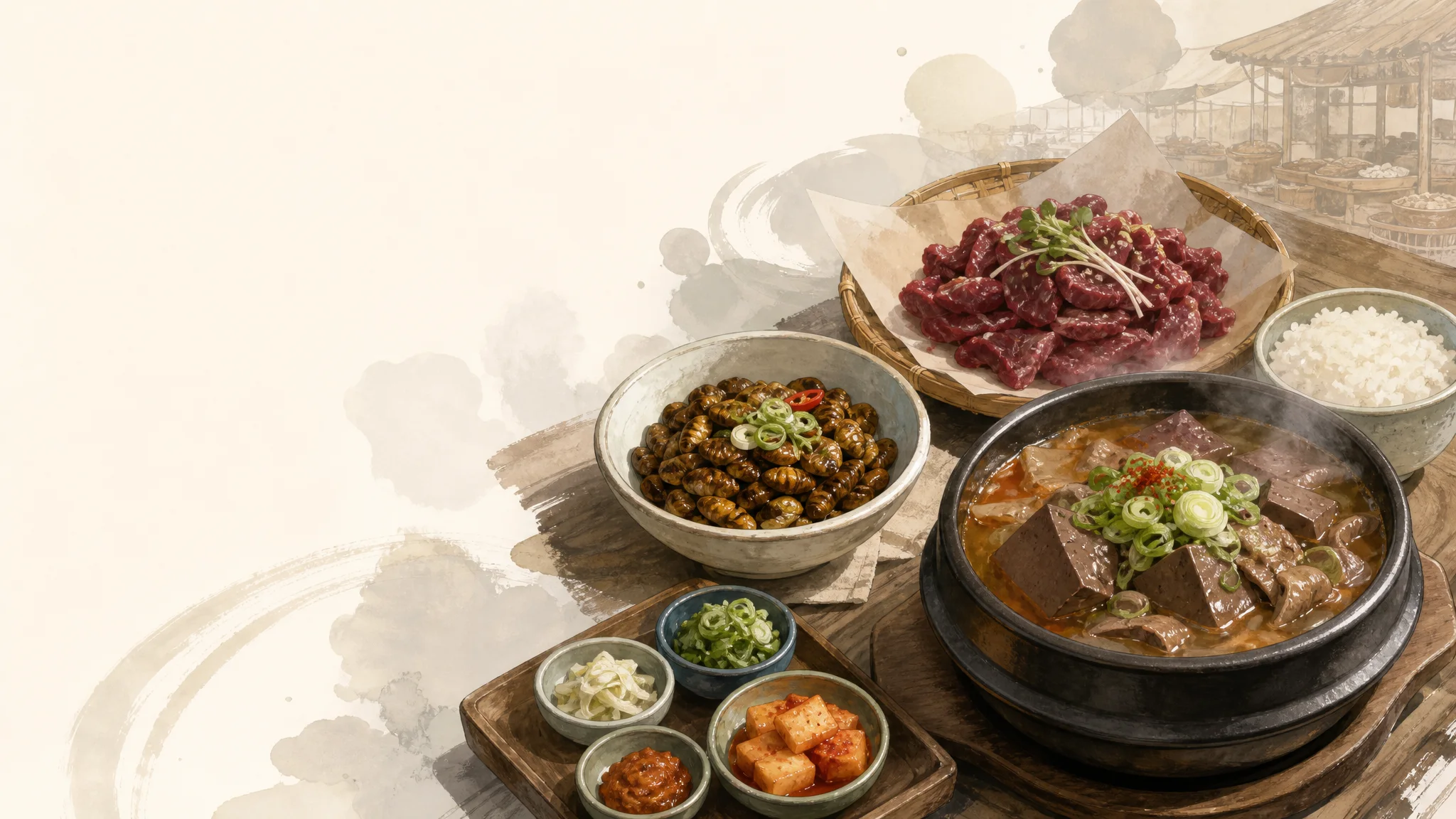
K-Local Food Hunters 33 produced roughly 900 pieces of content and surpassed a combined 10 million views (Korea Tourism Organization announcement). The most-engaged videos included hanwoo mungtigi (about 447,000 views) and local "challenge" foods like beondegi and sunji that sparked foreign curiosity. This article summarizes "what to eat, where, how much, how to order, and what cautions to take" from the point of view of travelers and food consumers.
What was confirmed — key facts and schedule - The Korea Tourism Organization's K-Local Food Hunters 33 project (held in June 2026) invited 33 influencers to tour Gangwon, Jeolla, and Gyeongsang regions for four nights and five days, producing about 900 social media contents with a combined view count around 10 million, according to KTO and press reports. - The most-viewed individual content was a hanwoo mungtigi (raw beef) video with roughly 447,000 views. - KTO collected the campaign content on the VISITKOREA platform and is running a global watch-and-share event from 2026-08-27 to 2026-10-06, with prizes (including round-trip air tickets) and announced conditions for receiving/prize validity.
Practical "try it" guide for travelers and foreigners This guide is written for: travelers planning a visit, foreign followers seeking Korean food experiences, or domestic consumers wanting to try local dishes. The main trade-off is "adventurous experience (local specialty foods, including raw meat and insects) vs. safety (hygiene, allergies, pregnancy/health)." See the table below for ordering phrases, cautions, and price ranges.
| Dish | Short Korean order phrase | Main ingredients & features | Average price (example) | Recommended regions & situations | Cautions & alternatives |
|---|---|---|---|---|---|
| Mungtigi (mungtigi / raw beef) | "뭉티기 주세요." or "한우 뭉티기 하나 주세요." | Fresh beef sliced thinly, served within 24 hours of slaughter (Daegu/Gyeongsang local dish). | Restaurant examples: about 33,000–55,000 KRW (varies by restaurant). | Enjoyed as a local specialty at long-established restaurants and specialists in Daegu and the Gyeongsang region. | Raw beef: not recommended for pregnant people or immunocompromised. Choose places with clear hygiene standards. Alternative: cooked bulgogi or grilled dishes. |
| Beondegi (paper cup / beondegi soup) | "번데기 한 컵/번데기탕 하나 주세요." | Silkworm pupae boiled or stewed and seasoned; sold in paper cups as street snack or as a soup variant. | Stalls/fairs: usually a few thousand KRW (about 1,000–4,000 KRW); beondegi soup examples around 3,000–4,000 KRW. | Common at amusement areas, markets, festivals, and pojangmacha (street stalls). | Allergy risk (may trigger reactions similar to shellfish allergies). Strong like/dislike divide — try a small amount first. Canned/processed products available as alternatives. |
| Sunji haejangguk (blood-soaked hangover soup) | "선지해장국 한 그릇 주세요." | Soup or stew made with cow blood (sunji) simmered with broth; recipes and seasonings vary by region and shop. | Restaurant examples: range from around 4,000 KRW up to the 10,000 KRW range. | Common in traditional markets and haejangguk specialty shops. | May conflict with religious or cultural dietary restrictions due to animal blood. Check hygiene and freshness (recommend reputable chains or well-reviewed long-standing shops). |
Practical order phrases (use immediately) - Mungtigi / yukhoe: "뭉티기(또는 육회) 하나 주세요." - Beondegi (street stall): "번데기 한 컵 주세요." (or "번데기탕 하나 주세요") - Sunji haejangguk: "선지해장국 한 그릇 주세요." - Allergy / cooking method question: "이 음식에 (알레르기 유발물질) 들어가나요?" / "익혀서 나오나요? 생고기인가요?"
Safety & health checklist (simple rules) - Pregnancy & immunocompromised: avoid raw meat (mungtigi/yukhoe). (Alternative: request cooked meat.) - Insect allergy risk: test a small amount before trying beondegi. Stop immediately and seek help if you experience breathing difficulty or rash. - Religious or cultural restrictions: confirm whether the dish contains blood (sunji) if this is a concern.
Where to watch videos & find info (practical tips) - KTO has collected the K-Local Food Hunters 33 videos on the VISITKOREA platform, and the KTO event (watch-and-share) runs from 2026-08-27 to 2026-10-06. Participating may enter you into draws for prizes (including round-trip air tickets) under the announced terms. - To find restaurants and menu items shown in videos, check the video descriptions (creators' post highlights/tags) or search by region (Gangwon, Jeolla, Gyeongsang) plus the dish name to find local reviews and menu details quickly.
Recommended decision rules by situation (simple decision flow) - Adventurous travelers: mungtigi (at a trusted specialist) → beondegi (small taste at a stall) → sunji haejangguk (recommended at long-standing shops). - Conservative / health-first: choose cooked Korean dishes (bulgogi, jjim) or select places with strong hygiene reputations from KTO/visitor center recommendations. - Budget travelers: traditional market sunji haejangguk (cheap full meal) or street beondegi (low-cost snack).
When recommended choices should change - Change recommendations if hygiene or food-safety alerts are issued by local health authorities, if your personal health situation changes (pregnancy, immunocompromised), or if you have religious dietary restrictions. Also check campaign timing (e.g., VISITKOREA event period) for possible promotions and gift offers.
---
This article is based on the Korea Tourism Organization's campaign announcement, major domestic press, and examples from local restaurants and guides. Verified facts (view counts, content numbers, event dates) are cited from KTO announcements and press reports; restaurant prices and menu examples are ranges drawn from local menus and guide examples. For uncertain items (actual current prices, shop hours), confirm with the shop before visiting.